
Planning Your Heritage Places to Visit in Bahawalpur
Bahawalpur is a city in southern Punjab, Pakistan, with a Nawabi heritage that shows in its buildings, its institutions and its unhurried way of life. Visitors who arrive with a plan tend to enjoy it far more than those who simply drive around. This guide gathers the main places to visit in Bahawalpur and suggests how to fit them, and a calm cup of chai, into one comfortable day.
The Bahawal Tea House sits inside the Central Library at CMH Chowk, so it makes a natural starting or resting point for any heritage walk. Think of it as a quiet base between landmarks.
Why does Bahawalpur reward a slow heritage visit?
Bahawalpur rewards slow visits because its heritage is spread across libraries, museums, palaces, schools and the desert, and each place tells a different part of the Nawabi story. Rushing through them leaves you with photographs but few memories.
Give each stop your full attention, then take a proper break before the next one. A slower pace also means you notice details such as brickwork, arches, corridors and the quiet routines of the people who still use these buildings every day.
Bring curiosity and a flexible mind. Some of the most memorable moments on a Bahawalpur trip come from a conversation with a shopkeeper, a librarian or a fellow traveller who knows a story that no guidebook records. Let those moments shape your route.
What is the simplest way to structure a heritage day?
The simplest structure is three blocks: a morning visit, a long chai and meal break, and one lighter visit later. Start with the landmark that needs the most concentration while you are fresh, and keep the lighter, more scenic stop for the end of the day.
Write your list the night before, choose no more than three main stops, and leave one gap in the plan on purpose. That gap is where the best conversations and the best discoveries usually happen.
The Central Library as a Heritage Stop in Its Own Right
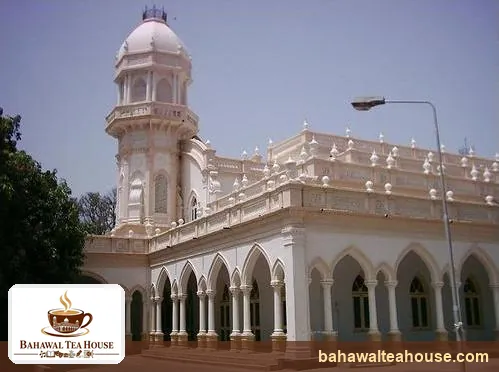
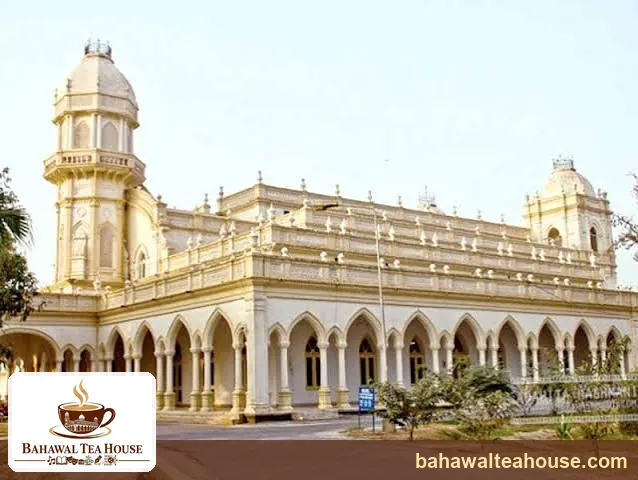
Many visitors treat a library as a place to pass through on the way to somewhere more famous. In Bahawalpur, the Central Library deserves a stop of its own. It was founded in 1924, and its building is a hybrid of Neo-Gothic and Victorian styles that gives it a distinctive presence on the street.
Because our cafe is inside the Central Library, a heritage day can begin right here, with a hot cup before you step out to the other landmarks.
What makes the Central Library architecturally interesting?
The Central Library combines Neo-Gothic and Victorian features in a single hybrid design, which is why architecture lovers often pause outside before going in. Look at the proportions of the facade, the way the building meets the sky and the shaded spaces that invite you to slow down.
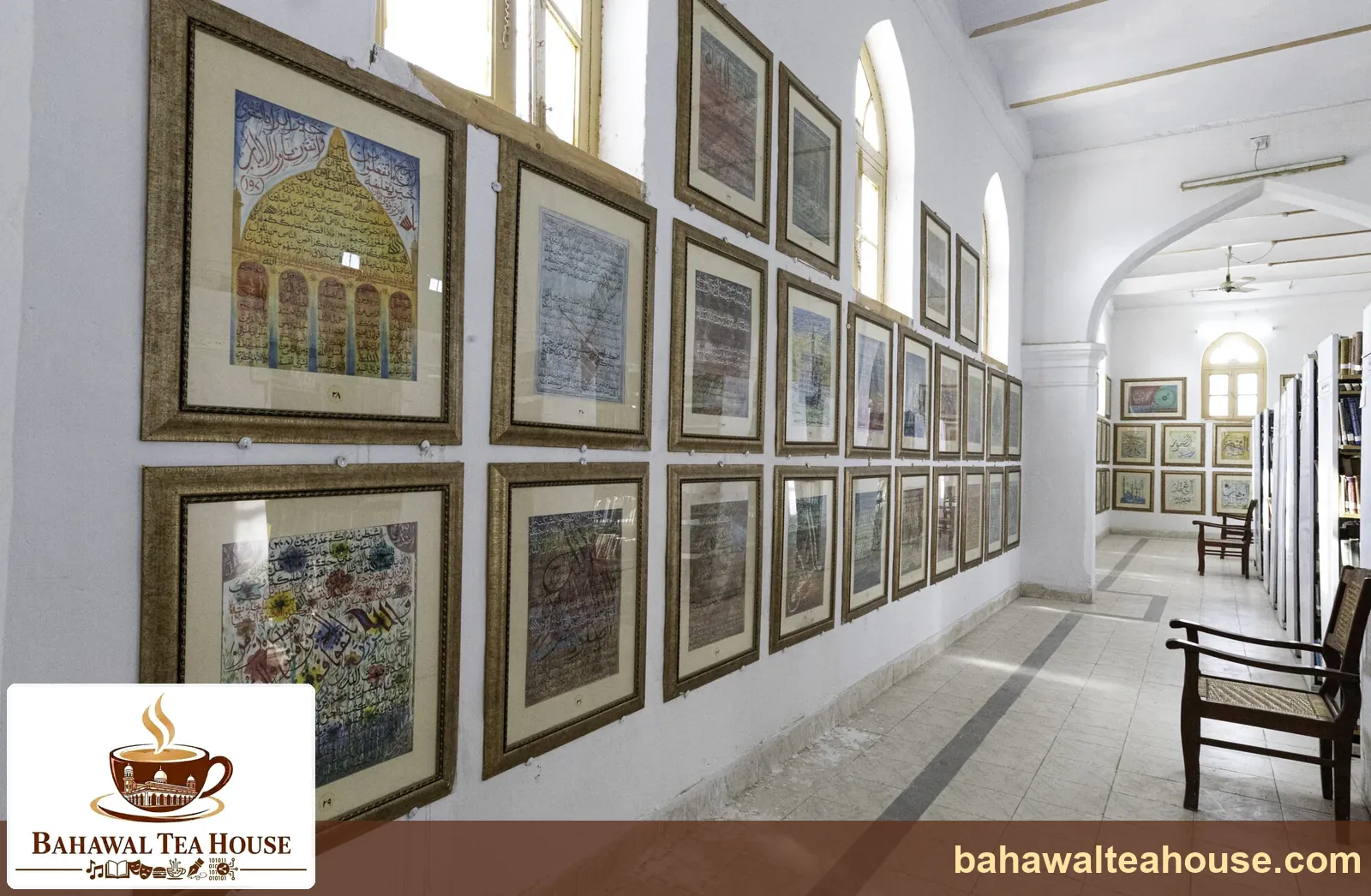
Photographers and sketchers will find plenty of angles. Take your time outdoors first, then step inside and enjoy the atmosphere of a place built for reading and quiet thought.
Why is the Sadiq Reading Library name worth knowing?
The Central Library is also known as the Sadiq Reading Library, a name that older residents and local writers may use when they give directions or talk about the city. Knowing both names helps you follow conversations and read local references.
The double name also hints at the Nawabi era in which the institution was founded. It is a small detail, but it connects a modern visit to a long history of reading and learning in Bahawalpur.
Noor Mahal Bahawalpur and the Nawabi Story
Noor Mahal is the building most visitors name first when they talk about Bahawalpur. It anchors the Nawabi story of the city and is often the first picture people share. Even a short reading before you go makes the visit richer.
Approach it as a chapter in a larger story rather than a single photo stop. The Nawabs of Bahawalpur shaped much of the city's civic life, and Noor Mahal is one visible expression of that era.
What should you know about Noor Mahal before you go?
Noor Mahal was begun in 1872 and completed around 1875. Its Italian chateau-like neoclassical style sets it apart from many other buildings in the region, and it was reportedly commissioned by a Nawab of Bahawalpur for his wife.
Keep those facts in mind as you look at the proportions, the symmetry and the details. Knowing the story behind a building turns a quick look into a more thoughtful visit, and it gives children and students something specific to look for.
If you enjoy reading before travelling, ask at the library or the cafe counter for a local recommendation, and bring your own notes. A short note on the story of the building, read aloud to your group, makes the visit more personal.
How does Noor Mahal fit into a wider Nawabi trail?
Noor Mahal fits well beside other Nawabi-era places such as Gulzar Mahal, the Bahawalpur Museum and Sadiq Public School. Together they show how the rulers of the state left their mark on residence, culture, education and public life.
If you want a theme for your day, follow the Nawabs of Bahawalpur from one landmark to the next, and use our tea house as the place where you compare notes and rest.
Derawar Fort and the Cholistan Desert
Derawar Fort is the landmark that draws people into the Cholistan desert. It is a square fort with 40 bastions, and it gives a very different kind of heritage experience from the library or the palaces in the city.
Because it lies in the desert, a visit to Derawar Fort usually needs more preparation than any other stop in this guide. Treat it as its own plan rather than an add-on to a city day.
What is Derawar Fort and why do visitors seek it out?
Derawar Fort stands in the Cholistan desert and is recognised by its square plan and its 40 bastions. Visitors seek it out for the sense of space, the scale of the walls and the feeling of standing in a landscape that has been shaped by trade routes and rulers.
For many travellers, it is the highlight of a Bahawalpur trip. Reading about it beforehand, and talking with local people, helps you understand what you are seeing.
How should you prepare for a Cholistan day?
Prepare for Cholistan as you would for any desert outing: plan the day carefully, travel with trusted local help, carry plenty of water and tell someone your plan. Sun protection and sturdy shoes matter more here than anywhere in the city.
Start with a proper nashta (ناشتہ) before you set out, and pack light snacks. When you return to Bahawalpur, a hot chai and a seat in the cafe are a pleasant way to close the day.
Bahawalpur Museum, Gulzar Mahal and Sadiq Public School
Three more names belong on every heritage list: the Bahawalpur Museum, Gulzar Mahal and Sadiq Public School. Each is a heritage and education landmark in Bahawalpur, and each adds depth to the story told by the library and the palaces.
We keep our description of them simple on purpose, because the best way to learn about them is to see them and to speak with the people who care for them.
How do the museum and these landmarks complement each other?
The Bahawalpur Museum, Gulzar Mahal and Sadiq Public School complement each other because they sit in the same broader story of the city's heritage and learning. Visiting them in a connected way helps you see how institutions, buildings and communities relate.
A good habit is to carry a small notebook. Write one observation at each stop, then read your notes over tea at the end of the day. You will be surprised how much a short list of observations adds to the experience.
One Day in Bahawalpur Itinerary
A one day in Bahawalpur itinerary works best when it is paced around meals, shade and rest. The outline below is a template that you can adjust to your own interests, your group and the season.
We do not give travel times here, because they depend on your transport and the traffic. Instead, plan in blocks and let the day unfold.
What does a good morning plan look like?
A good morning begins early with a proper breakfast. Our cafe opens at 6:00 AM, so you can have doodh patti chai, a plain or aloo paratha and eggs before heading out.
After breakfast, spend a quiet hour at the Central Library itself, admiring its Neo-Gothic and Victorian character. Then move on to your first main landmark while the light is soft and the day is still cool.
If the weather is pleasant, you may even walk around the library grounds after breakfast, simply to enjoy the quiet before the day gets busy.
How should you spend the afternoon and evening?
Use the middle of the day for a long, unhurried meal and a rest, since this is when the sun is strongest. A club sandwich, a chicken biryani or a plate of pulao is a sensible lunch.
Keep a lighter landmark for later, then return for evening chai. The cafe stays open until 11:00 PM, so you can sit with your photographs, compare notes and plan tomorrow without any rush.
Combining the Library, Museum and Palaces
The key to a satisfying heritage tour is combining places in a sensible order, so that quiet and busy stops alternate and nobody is worn out by noon. The library, the museum and the palaces each ask for a different kind of attention.
Which order works best for a first-time visitor?
For a first-time visitor, begin at the Central Library, move to the museum for context, and then visit the palaces and Nawabi landmarks with that background in mind. Reading and looking first makes the buildings easier to understand.
This order also helps in practice. The library and the cafe offer shade, seating and refreshment at the start, when you are still planning, and the palaces make a fitting finale.
A good rule is to plan one seated break for every two stops. It keeps older relatives, children and tired students comfortable, and it protects the mood of the whole group.
- Start with a slow breakfast and a look at the Central Library building.
- Visit the Bahawalpur Museum for background on the region.
- Move to Noor Mahal and other Nawabi landmarks.
- End with chai, notes and photographs at the cafe.
What to Wear and Carry Through the Seasons
Bahawalpur has real seasons, and the right clothes and small items turn a tiring outing into a pleasant one. These are general suggestions rather than rules, so adapt them to your own comfort and to the places you plan to visit.
What should you wear and carry in hot weather?
In hot weather, wear light, loose cotton clothes that cover your arms and legs, comfortable closed shoes, and a hat or scarf for the sun. Modest dress is also considerate when visiting heritage and religious places.
Carry water, sunglasses, sunscreen and a small towel. Plan outdoor visits for the early morning or late afternoon, and use the middle of the day to rest with a fresh juice or a cold drink.
What should you carry in cooler months?
In cooler months, bring a shawl or light jacket, since mornings and evenings can feel crisp, especially outdoors or in the desert. Layers are better than one heavy coat because they let you adjust through the day.
A flask is not essential, since hot kadak chai is easy to find here. A power bank, a notebook and a pen are useful all year round.
Photography Courtesy at Heritage Places
Photographs are one of the great pleasures of a heritage tour, and a few good habits keep the experience pleasant for everyone. Heritage places are shared spaces, and many are still used by students, staff and visitors every day.
How should you photograph heritage sites respectfully?
Photograph respectfully by asking before you take pictures of people, following any posted guidance and staying calm around readers and students. Keep flash off in quiet indoor spaces, and avoid blocking doorways, stairs and corridors.
Take care of the buildings by not touching delicate surfaces or leaning on old walls. If you use a drone or a tripod, check the rules for that site first. A little patience usually gives you a better picture and a better memory.
Where Chai and a Meal Fit in Your Heritage Day
Food and tea are not an interruption to a heritage day. They are what hold it together. Bahawal Tea House is a library cafe, restaurant and community space, open daily from 6:00 AM to 11:00 PM, so it can serve as a breakfast stop, a lunch pause or an evening gathering place.
Our menu is built for people who are moving between places and need something reliable and affordable.
When is the best time to stop for chai?
The most useful times for chai are early, before you leave; around mid-morning, when you have seen your first landmark; and in the late afternoon, when energy dips. A cup of doodh patti or kadak chai (چائے) resets a tired group quickly.
If you prefer something lighter, green tea or kahwa with dates and lemon is a gentle choice. Each pause also gives you time to read the next landmark's story.
Many guests like to order a pot of chai to share, since it invites conversation. Doodh patti, a Bahawalpuri-style cup, pairs well with a warm paratha and a long talk about what you have seen so far.
What can you eat between landmarks?
Our menu features desi breakfast (nashta), plain, aloo and anda paratha, eggs and omelette, snacks, burgers, club sandwiches, chicken biryani or pulao, fresh juices, shakes and traditional sweets such as sohan halwa. Food is prepared to follow applicable food-safety and government regulations.
For a quick midday meal, the Library Study Deal pairs a club sandwich or patty burger with fries and a hot tea or cold drink. All prices are very affordable, so a family can eat well without stress.
Planned Heritage Talks and Heritage Nights at the Cafe
Alongside daily hospitality, we plan to make the cafe a place where heritage is discussed, not just visited. These ideas are proposed and subject to approval and library rules, but they reflect the spirit of the project: a cultural living room for Bahawalpur.
Watch our events page for updates as plans take shape.
What will a heritage talk look like?
We aim to host short heritage talks in which local historians, teachers, writers and library staff share stories about Bahawalpur, the Nawabs, Cholistan and the Central Library itself. Each talk is planned to be informal, with time for questions.
A talk like this would be a good way to prepare before a day of visits or to reflect after one. Students and families are welcome in the plan, and some sessions may be designed with younger listeners in mind.
Because these sessions are only planned, details will be shared in due course. If you are a local historian, poet or teacher who would like to contribute, we would be glad to hear from you through our contact details.
What are heritage nights?
Heritage nights are planned as relaxed evenings that celebrate Bahawalpur and South Punjab through storytelling, poetry, music, photography and conversation. Subject to approval, they could include a mushaira (مشاعرہ) with Urdu and Seraiki poets, or a gathering built around old photographs.
The idea is simple: bring people together over tea, let the city's stories be heard and make heritage something you share rather than only observe.
Planned Coordination with the Bahawalpur Museum for Educational Groups
Education is central to our mission. We plan to support educational visits by schools, colleges and universities, and we hope to coordinate with the Bahawalpur Museum so that a group can combine a museum visit with a library orientation and a simple student meal. All of this is subject to approval.
How do we plan to support school and college groups?
We plan to offer orientation for teachers and students, tours that connect the library with nearby heritage, and affordable student meal packages. Group visits would be arranged in advance so that the day runs smoothly for everyone.
Teachers who want to learn more can read about our educational outreach plans. The goal is to help young people discover the Central Library, build the kitab (کتاب) habit and see Bahawalpur's heritage with fresh eyes.
Heritage Visits for Families
Heritage works best when the whole family is included. Bahawalpur offers history, architecture and desert landscapes that can fascinate children as much as adults, provided the plan is simple and the pace is gentle.
How can families enjoy heritage with children?
Families enjoy heritage most when the day is short, the stops are few and there is a treat at the end. Turn each landmark into a small game: count the arches, find a particular shape or ask the children to draw what they see.
Plan regular breaks with snacks, juices and a place to sit. Our cafe is designed to be clean, safe and family-friendly, with family seating and, subject to approval, children's swings and storytelling sessions for younger visitors.
Parents often find that a heritage outing becomes a lasting family tradition. Visit one new place each month, finish with chai and something sweet such as sohan halwa, and let the children choose the next stop.
Heritage for Students and Researchers
Students and researchers are at the heart of the Central Library community. The library, the museum and the surrounding landmarks together make an excellent open classroom for history, architecture, literature and social studies.
How can students use the library and cafe as a base for heritage study?
Students can use the Central Library for reading and research, then step into the cafe for a break, a group discussion or a meal. Our planned seating includes quiet reading corners, and we aim to provide free Wi-Fi and charging stations, subject to approval.
A planned 10% community discount for students, teachers, authors, librarians and researchers with valid ID is also under consideration, subject to approval and feasibility. Read more about us and our mission.
For group projects, a long table and a pot of tea go a long way. Bring your notes from the museum or palace visits, compare them in the cafe and turn them into a clear summary while the ideas are fresh.
Frequently Asked Questions About Visiting Heritage Places in Bahawalpur
Here are quick answers to questions that visitors often ask when they plan a heritage trip around the cafe and the Central Library. For directions, see our location page, and return to the home page for an overview.
Where is Bahawal Tea House located?
Bahawal Tea House is inside the Central Library at CMH Chowk, Bahawalpur, Punjab, Pakistan. A hospital is close by. Visit our location page for a clearer picture of how to find us.
What are your opening hours for a heritage day?
We are open daily from 6:00 AM to 11:00 PM, so you can have breakfast before setting out and return for dinner or tea in the evening. Cultural evenings follow event schedules once they are announced.
Can I visit the cafe without touring any landmarks?
Yes. Many guests come only for chai, a paratha or a quiet hour with a book, and that is perfectly welcome. The cafe is meant to be a calm space for readers, families, students and travellers alike.